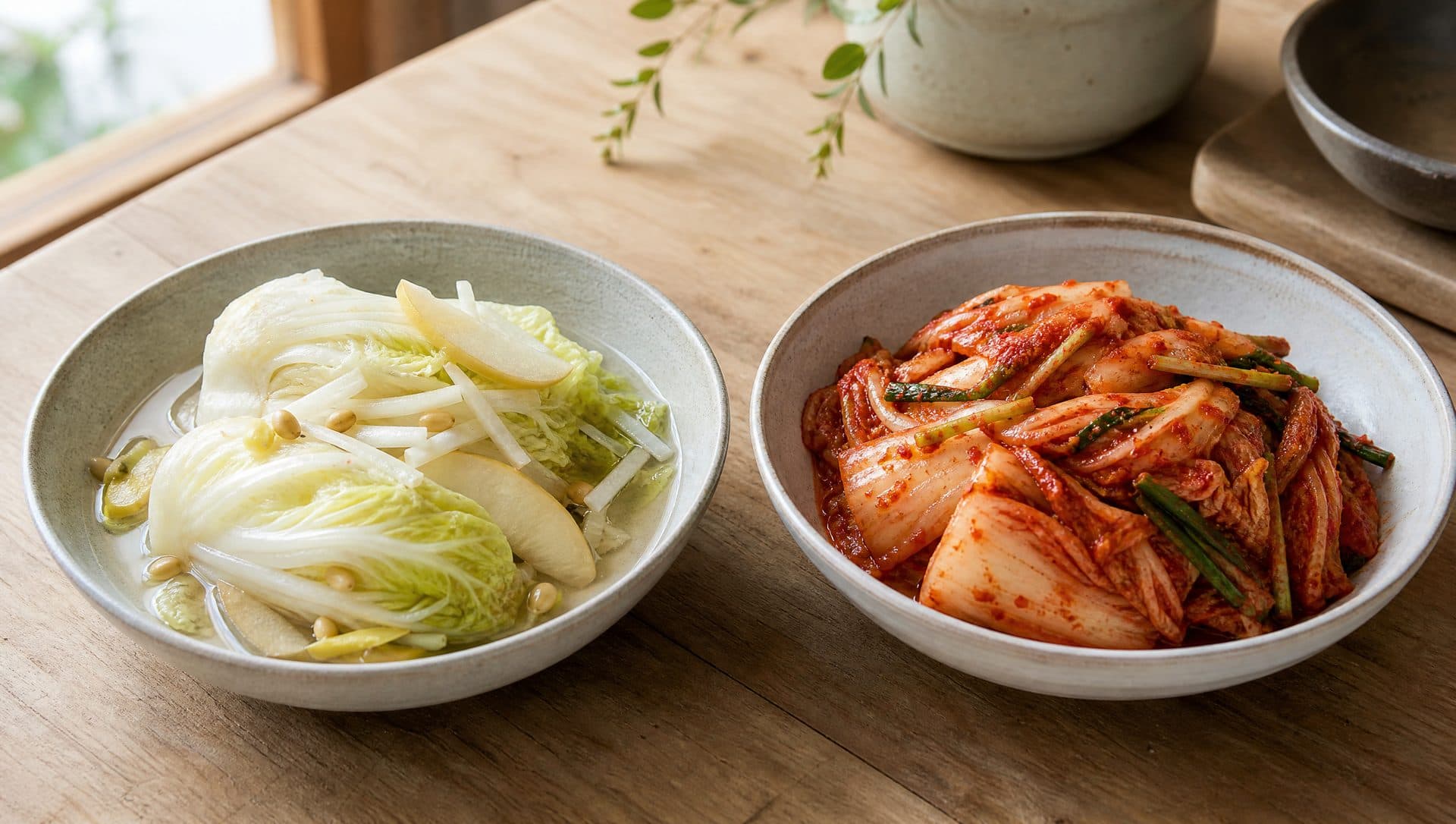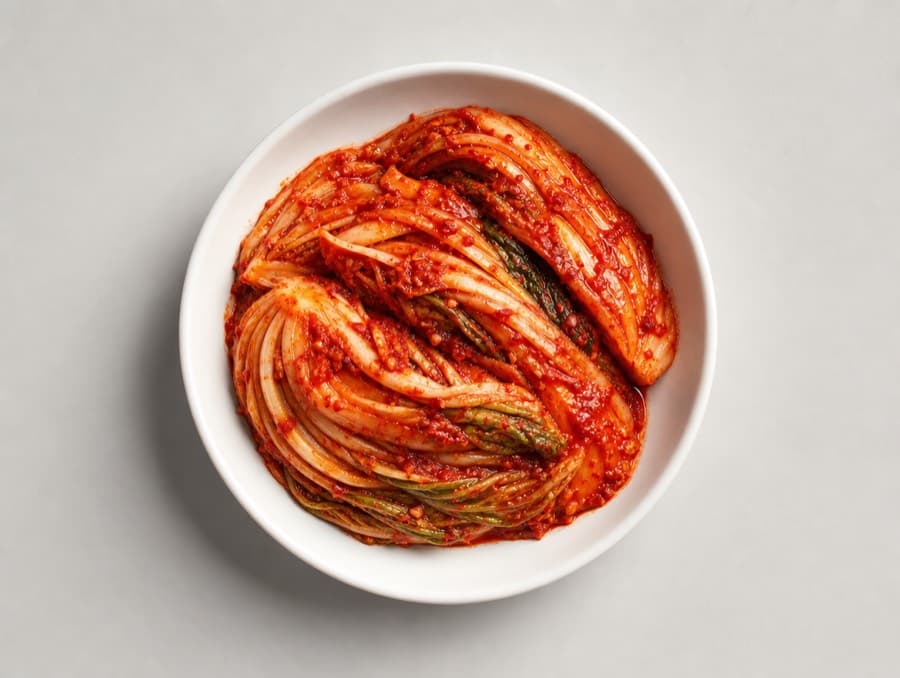
배추김치Baechu-kimchi
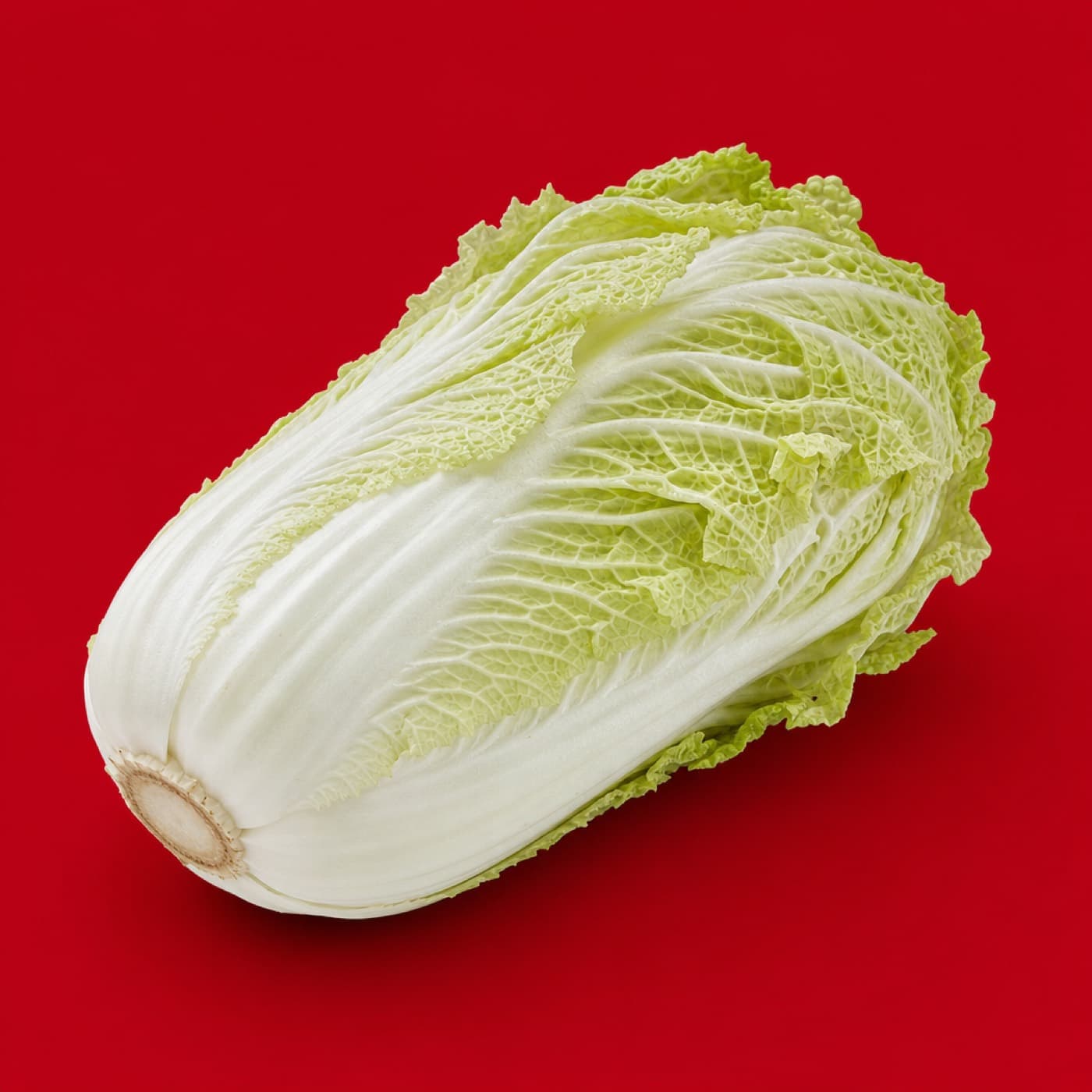
Napa cabbage, quartered and packed leaf by leaf. The one people mean.
Year round
Everything about kimchi
Guides teach you how to make it. We follow what happens after — how it changes week by week, which one belongs to which season, and who still makes it by hand.
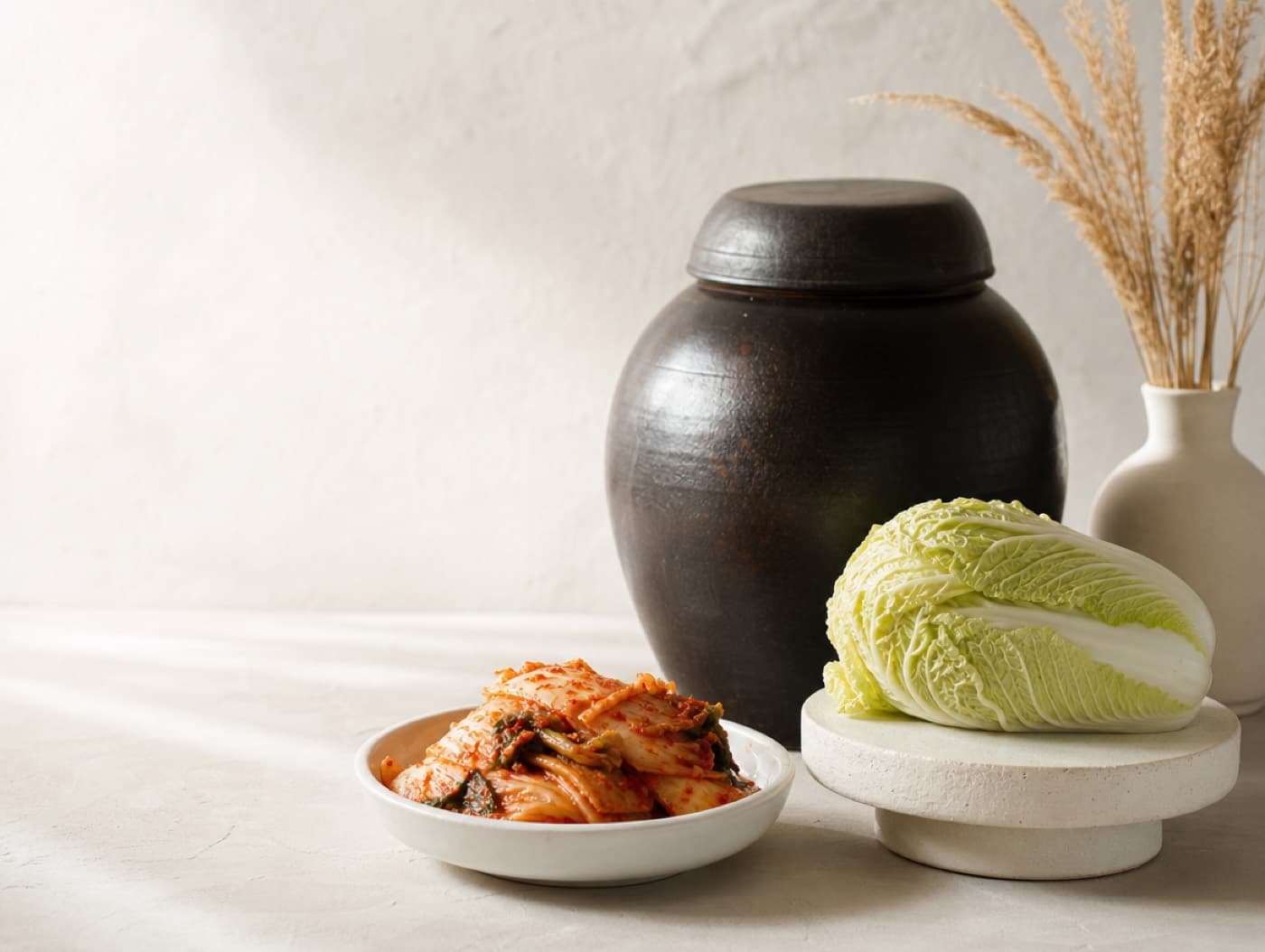
Kimjang is the communal salting and packing that carries a household through winter — hundreds of cabbages in two days, done by neighbours and split between them. It is less a recipe than a labour exchange, and it is why kimchi stayed a daily food rather than a delicacy.
Fermentation
The same cabbage is a salad in week one and a braise in year two. Knowing where yours sits is most of the skill.
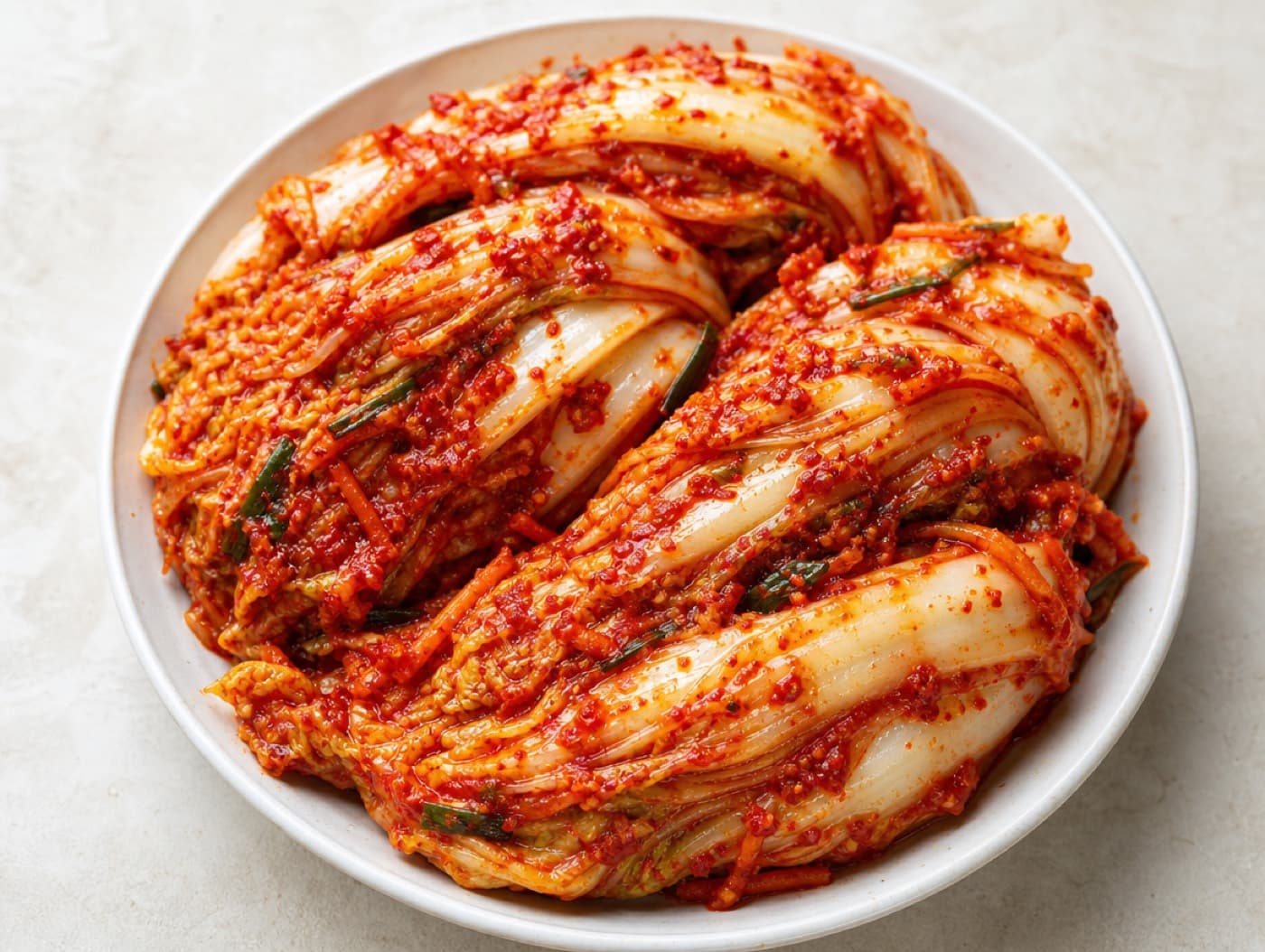
Week 2–4
The whole arc
Where it starts
Varieties
A survey in 2000 counted 336 kinds. Kimchi is a method, not an ingredient — what goes in is whatever the season gives.
Napa cabbage, quartered and packed leaf by leaf. The one people mean.
Year round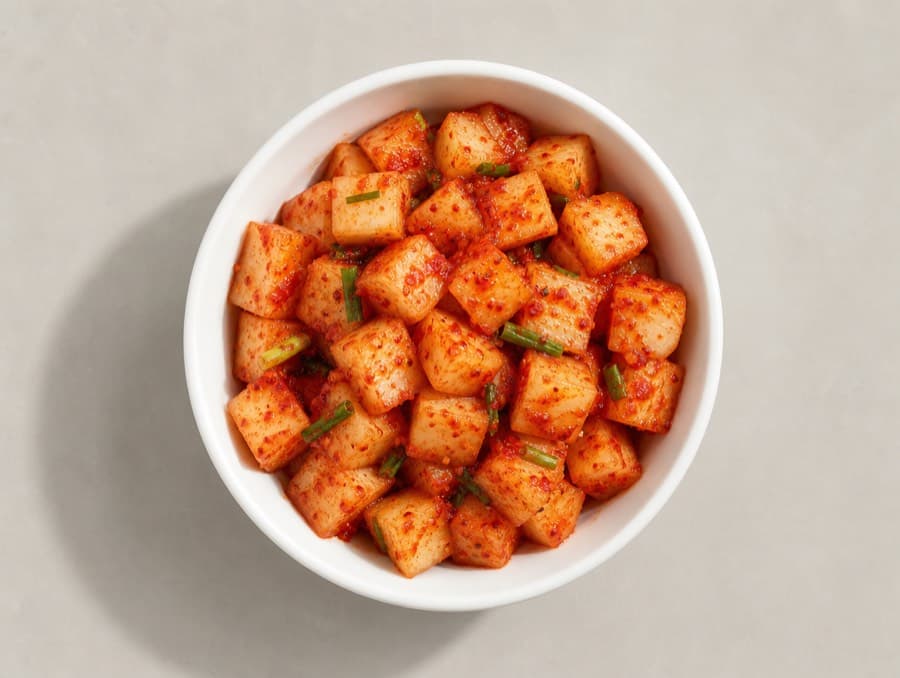
Radish in cubes. Holds its crunch far longer than cabbage, and sweetens as it goes.
Winter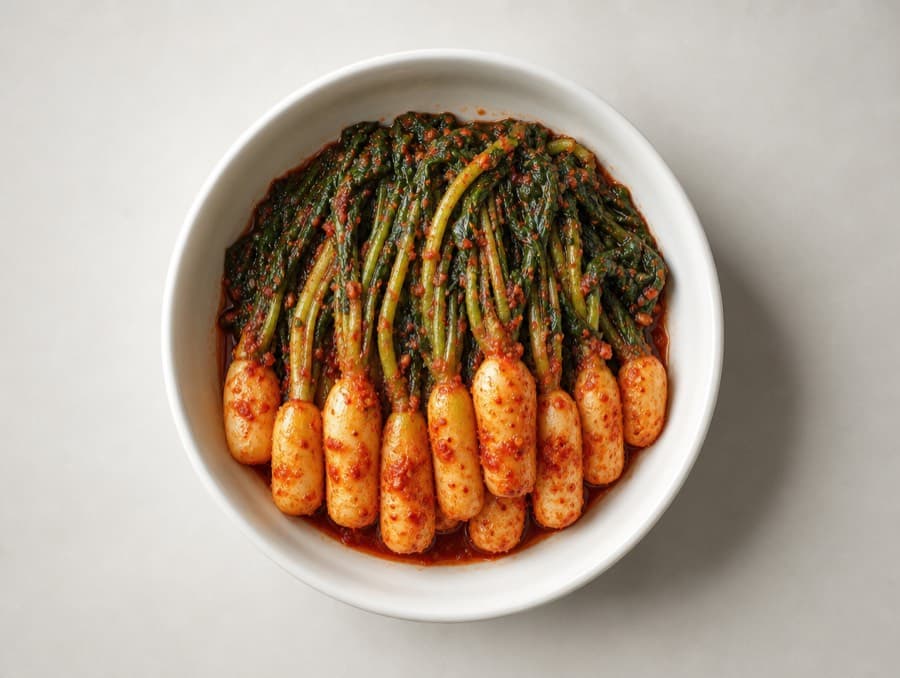
Small ponytail radishes fermented whole, greens and all.
Autumn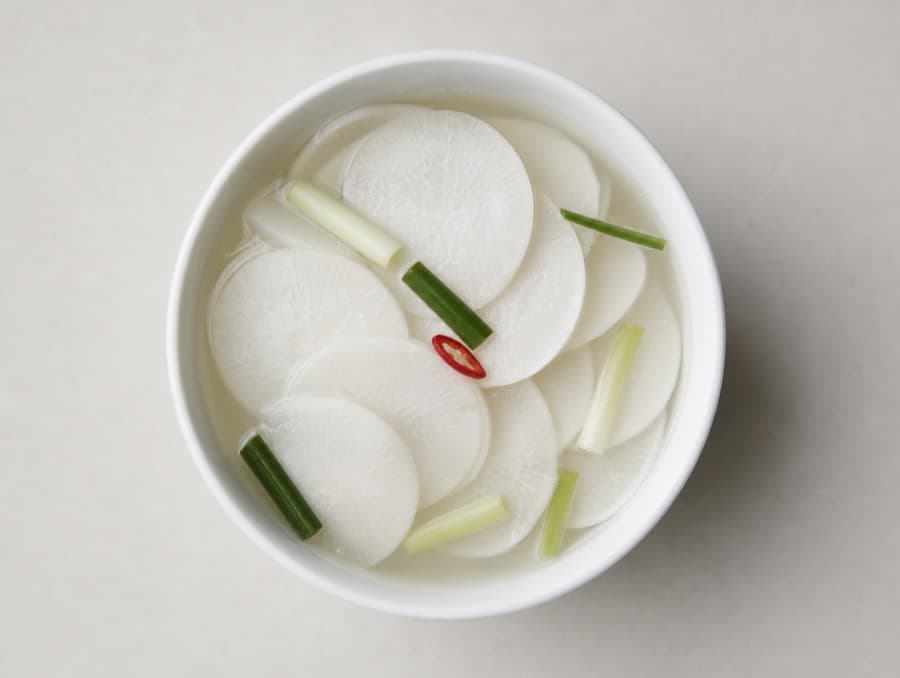
Radish in a clear cold brine, no chilli at all. The liquid is the point.
Winter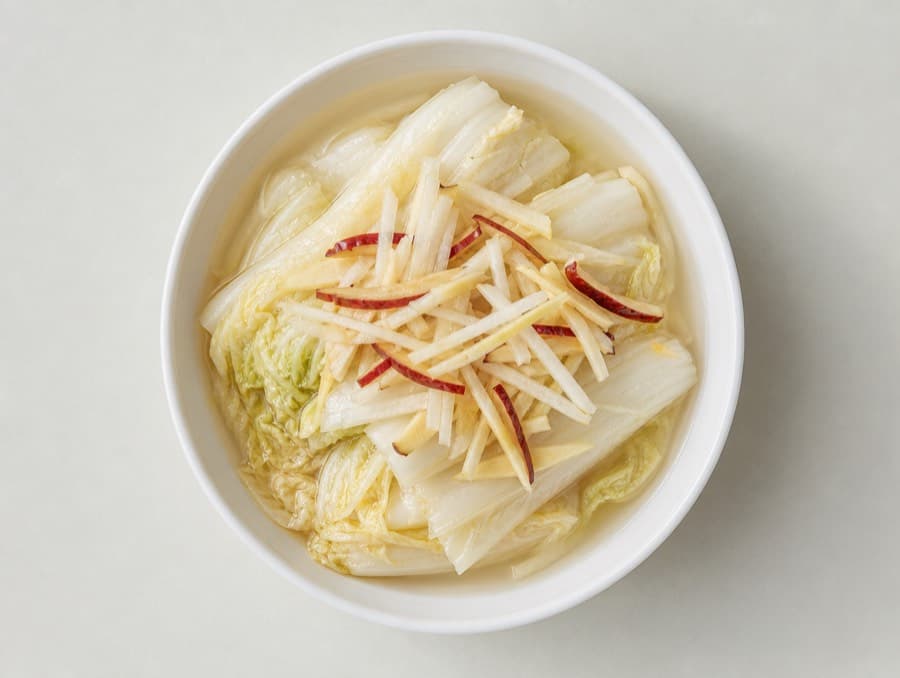
White kimchi made without chilli powder. The older form, and the gentlest way in.
Year round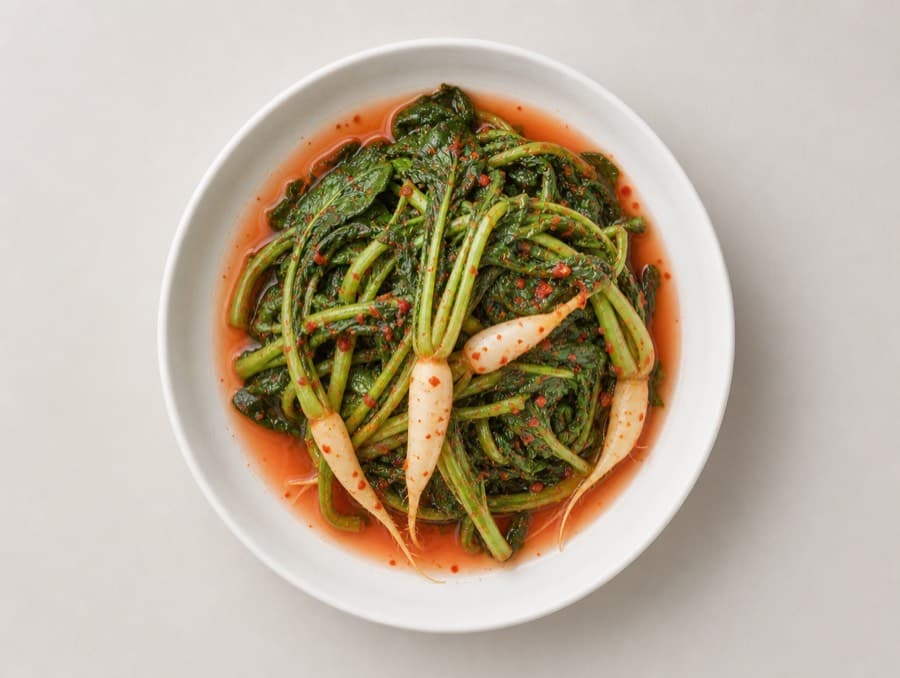
Young radish greens in a thin brine. Poured over cold noodles when it is too hot to cook.
Summer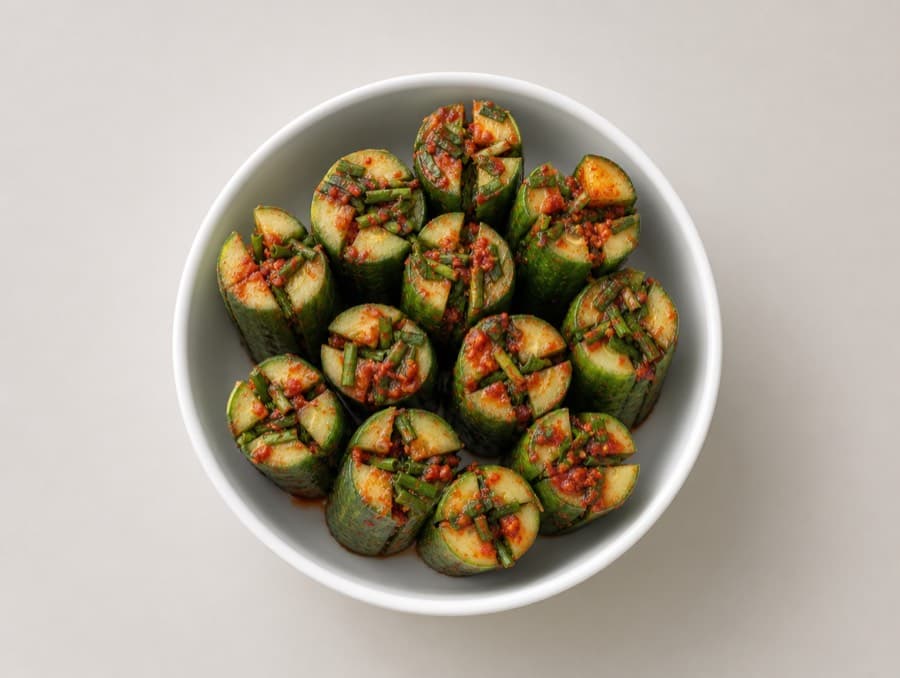
Cucumber split into a cross and stuffed with chive. Made to be eaten within days.
Summer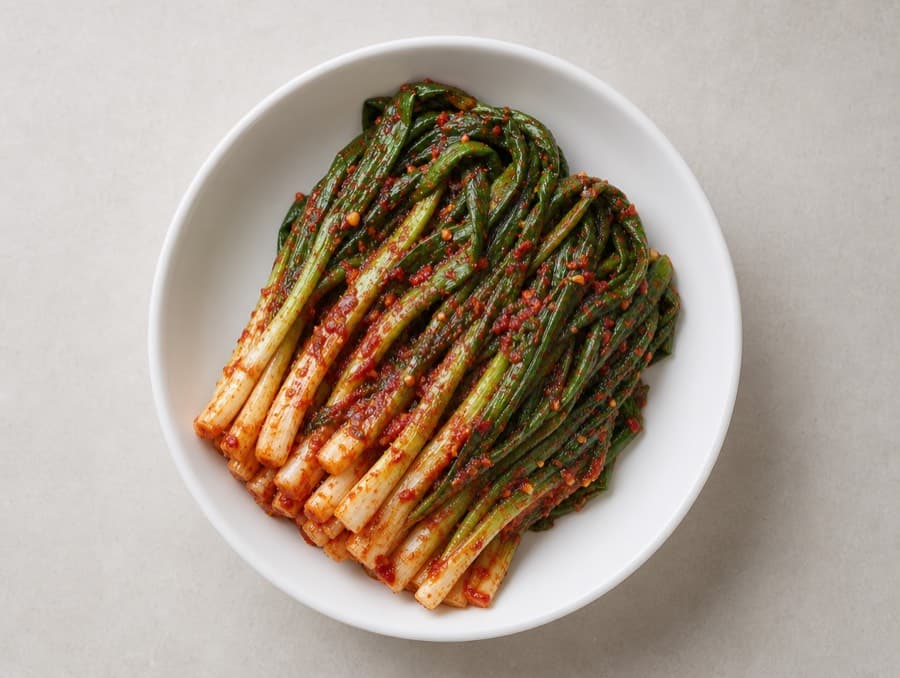
Whole scallions, laid flat and folded. Sharp at first, mellow and glossy after a month.
Spring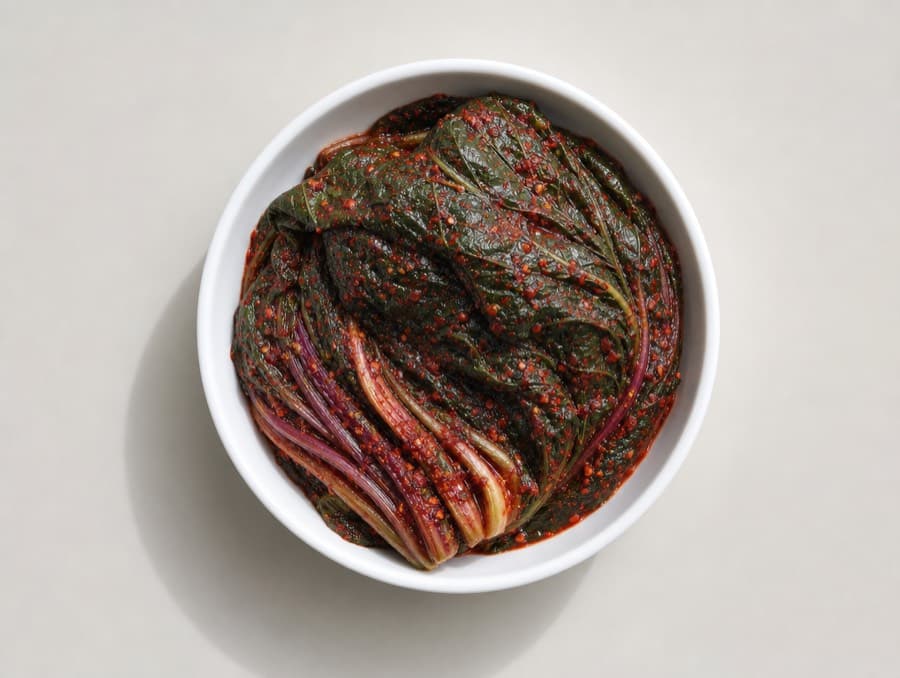
Mustard leaf — peppery and sharp. A Jeolla speciality that only improves with age.
Winter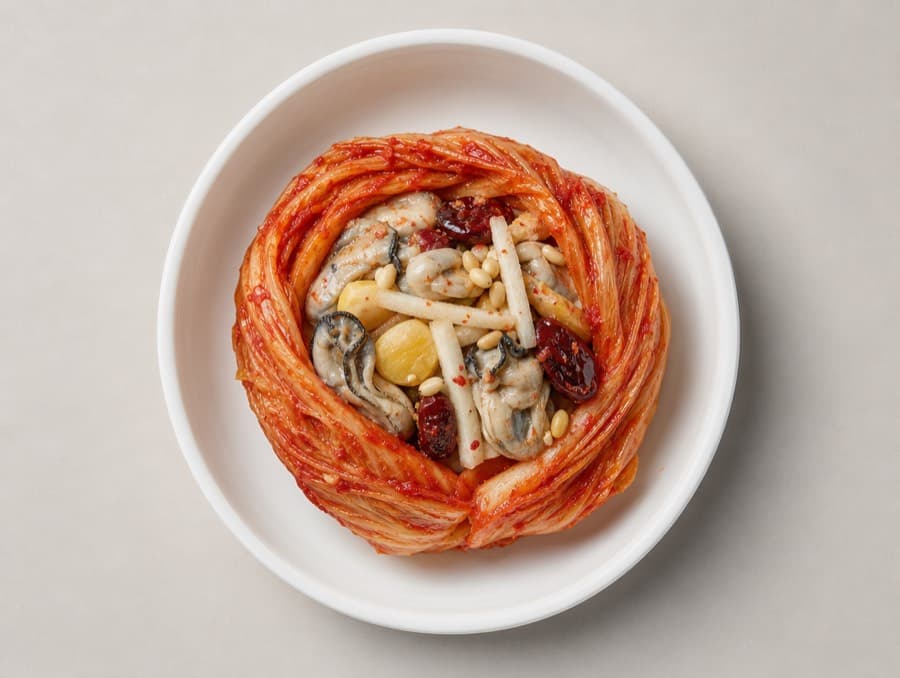
A cabbage-leaf parcel packed with oyster, pear, chestnut and jujube. Banquet kimchi.
WinterBy region
Pick a province. The redder it sits on the map, the harder the seasoning works.
Boundaries derived from Statistics Korea (KOSTAT) SGIS census district data, simplified for display.
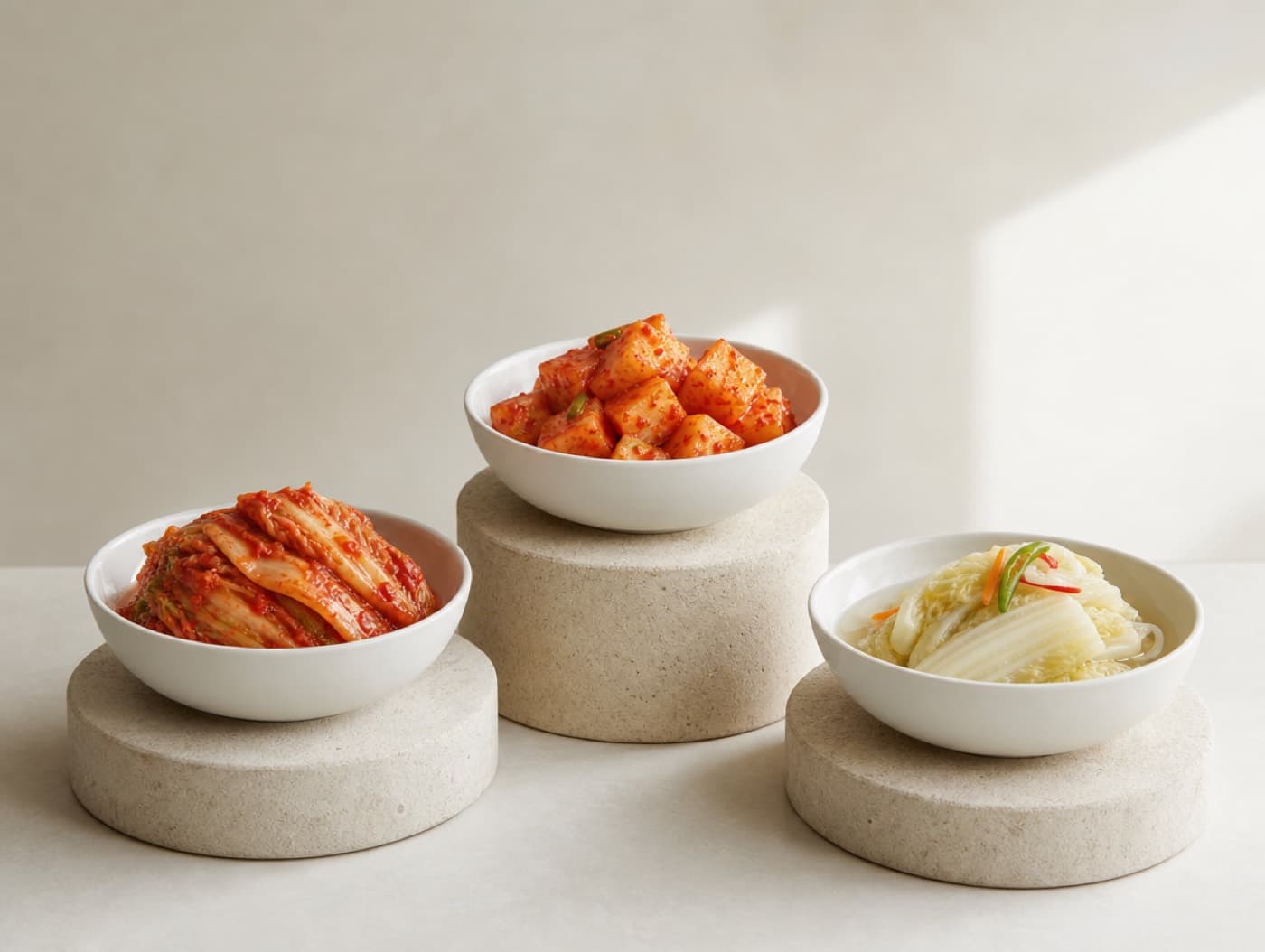
Every household version is slightly wrong on purpose — more salt here, less sugar there, a grandmother's ratio nobody wrote down. We visit them and write it down.
Journal
Written in English first. A piece is translated when it earns it, and never before a person has read the translation through.
All piecesAbout
Kimchius has followed Korean fermentation since 2007. No sponsored recipes, no shortcuts, no jarred paste standing in for the real thing.
About the project