
Ingredients7 min read
Choosing gochugaru in a US grocery, and what to use when you can't find it
For kimchi, buy the coarse grind in a medium heat and judge the bag by its colour and origin line. Korea grades gochugaru into five heat levels, and a survey of 88 retail bags found only half matched their label. Where to buy it, which Korean words to look for, and what Aleppo pepper, paprika, cayenne and gochujang each change when you substitute them.
This piece has not been translated into Español yet, so you are reading the English original. Translations are published after review, never automatically.
For kimchi, buy coarse gochugaru marked 김치용 (for kimchi) in a medium heat, and judge the bag by its colour and its origin line before its brand. If you cannot find any, Aleppo pepper is the closest single substitute, and sweet paprika cut with a little cayenne is the closest thing an ordinary supermarket sells. Neither tastes quite the same.
Gochugaru (고춧가루) is dried Korean red chilli, ground. It is mild for a chilli, very red, and for kimchi it is sold as a coarse flake without the heavy load of seeds you see in pizza-parlour pepper flakes. A substitute has to be judged on those three things separately, because nothing else on an American shelf has all three.
Where do you buy gochugaru in the US?
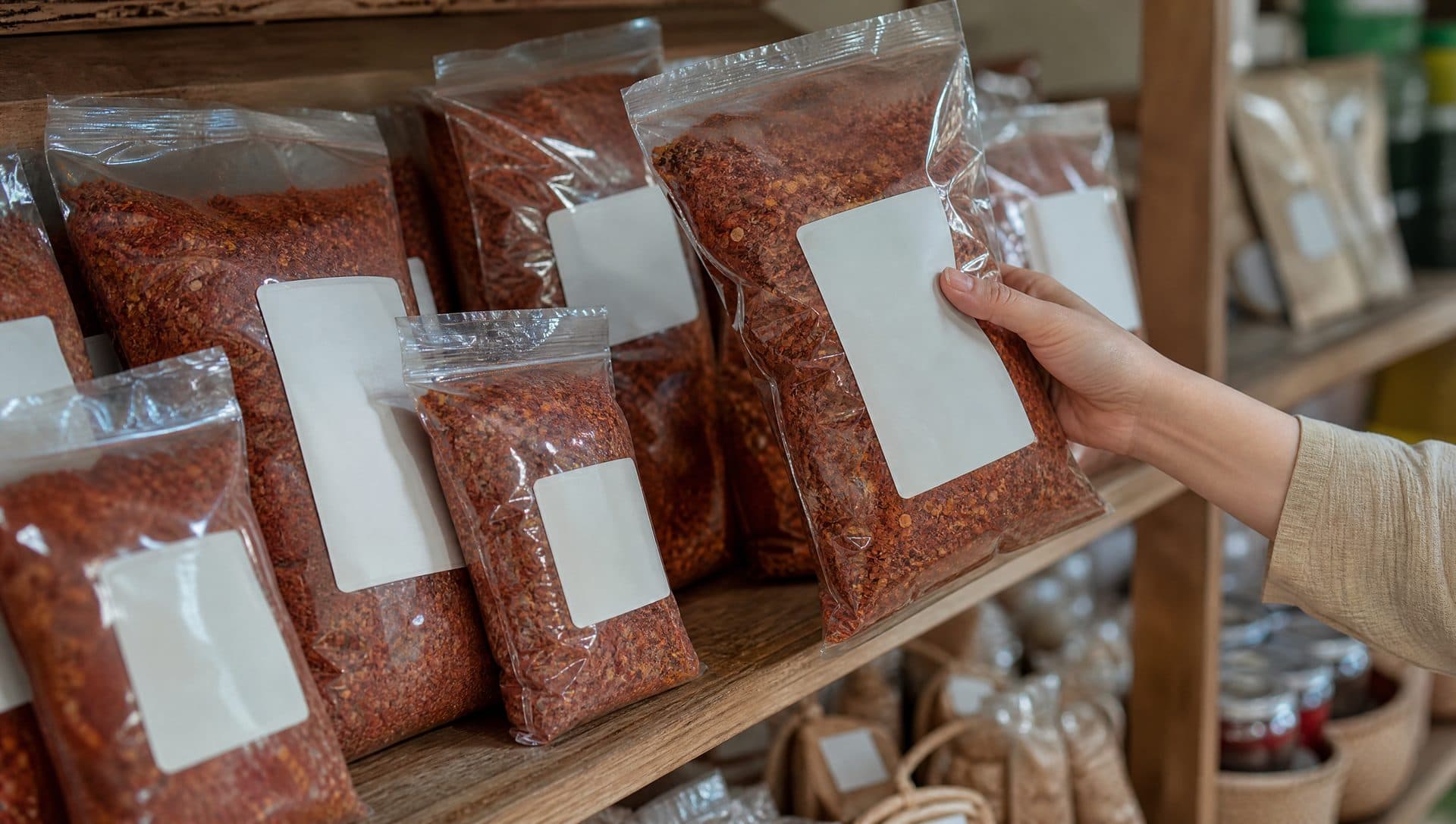
Korean supermarkets carry the widest range, with H Mart the largest chain. Chinese and pan-Asian grocers usually stock a bag or two, and Korean online grocers ship it anywhere in the country.
Buy more than a spice jar's worth. The Rural Development Administration formula we used in our napa cabbage kimchi method takes about 90 g of gochugaru for 2 kg of salted cabbage, so a one-pound bag is five batches. It keeps in the freezer.
What should the bag say?
The English name is usually just "red pepper powder" or "hot pepper flakes". The words that tell you what is inside are in Korean, and there are only a handful.
| On the bag | Romanised | Means | For kimchi |
|---|---|---|---|
| 김치용 or 굵은 | gimchiyong, gulgeun | For kimchi, coarse | Yes |
| 고추장용 or 고운 | gochujangyong, goun | For gochujang, fine | No. Keep it for stews and sauces |
| 순한맛, 보통맛, 매운맛 | sunhanmat, botongmat, maeunmat | Mild, medium, hot | Mild or medium for a first bag |
| 태양초 | taeyangcho | Sun-dried | Optional, and it costs more |
| 국산 or 국내산 | guksan, guknaesan | Grown in Korea | Optional, and it costs more |
Grind is the line that matters most. A 2011 study in the Journal of the Korean Society of Food Science and Nutrition sieved commercial powders and found that the gochujang grade was mostly particles of 300 to 425 micrometres, while the kimchi grade included flakes larger than 1,000. What that difference does inside a jar is covered in coarse, fine, and what actually changes.
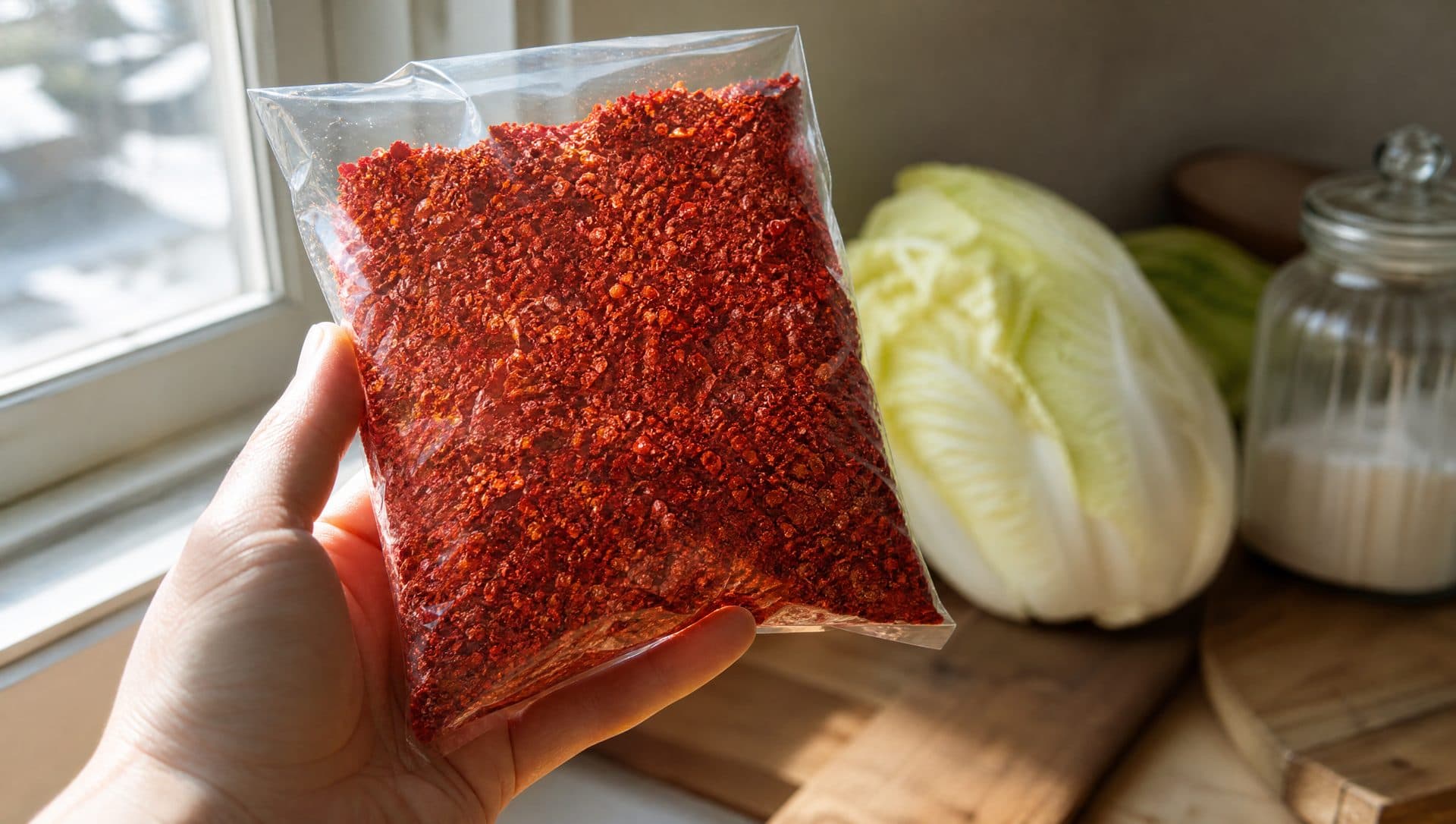
If you cannot read any of it, look at the flakes through whatever part of the bag is clear. You want flakes you can see individually, a bright red, and very few pale seeds.
How hot is gochugaru?
Milder than most people expect, with a wide spread. At the end of 2013 Korea's agriculture ministry added five heat grades to the national standard (KS) for gochugaru, set by capsaicinoid content. The Codex Alimentarius standard for dried chillies counts 1 mg/kg of capsaicinoids as 15 Scoville units, which gives the right-hand column.
| KS grade | Capsaicinoids, mg/kg | Scoville units, approx. |
|---|---|---|
| Mild (순한맛) | Under 150 | Under 2,250 |
| Slightly hot (덜 매운맛) | 150 to 300 | 2,250 to 4,500 |
| Medium (보통 매운맛) | 300 to 500 | 4,500 to 7,500 |
| Hot (매운맛) | 500 to 1,000 | 7,500 to 15,000 |
| Very hot (매우 매운맛) | 1,000 and over | 15,000 and over |
Treat the word on the bag as a rough guide. In 2022 researchers writing in the Korean Journal of Food Preservation measured 88 retail gochugaru products and found that only 51.1 per cent matched the grade printed on them. Bags sold as medium ran from 65 to 546 mg/kg.
So buy mild or medium the first time, and taste a pinch before you commit 90 g of it to a batch. For comparison, cayenne is usually put at 30,000 to 50,000 Scoville units.
Does it matter where the chillies were grown?
It matters for price, and the label has to tell you. A bag from a Korean brand does not always hold Korean chillies. One widely sold bag in the US states that its peppers were grown in China, processed in South Korea and packed in the USA, and that pattern is common.
Korean-grown powder costs more. The Korea Rural Economic Institute describes a split market at home: households strongly prefer domestic dried chilli, while restaurants and kimchi factories depend on imports. Plenty of good kimchi is made with the imported kind.
Freshness shows in the jar sooner than origin does. The 2022 survey also measured colour on the ASTA scale, and the 88 powders ran from 43.5 to 121.6, close to a threefold gap between the palest and the reddest. Gochugaru fades from red towards brick as it oxidises, so pick the brightest bag on the shelf, and if there is a packing date or crop year, the latest one.
What is the best substitute for gochugaru?
There is no clean one, and the honest alternative for cabbage kimchi is 백김치, baek kimchi, which uses no chilli at all. If you want a red jar anyway, these are the options, measured against a medium bag.
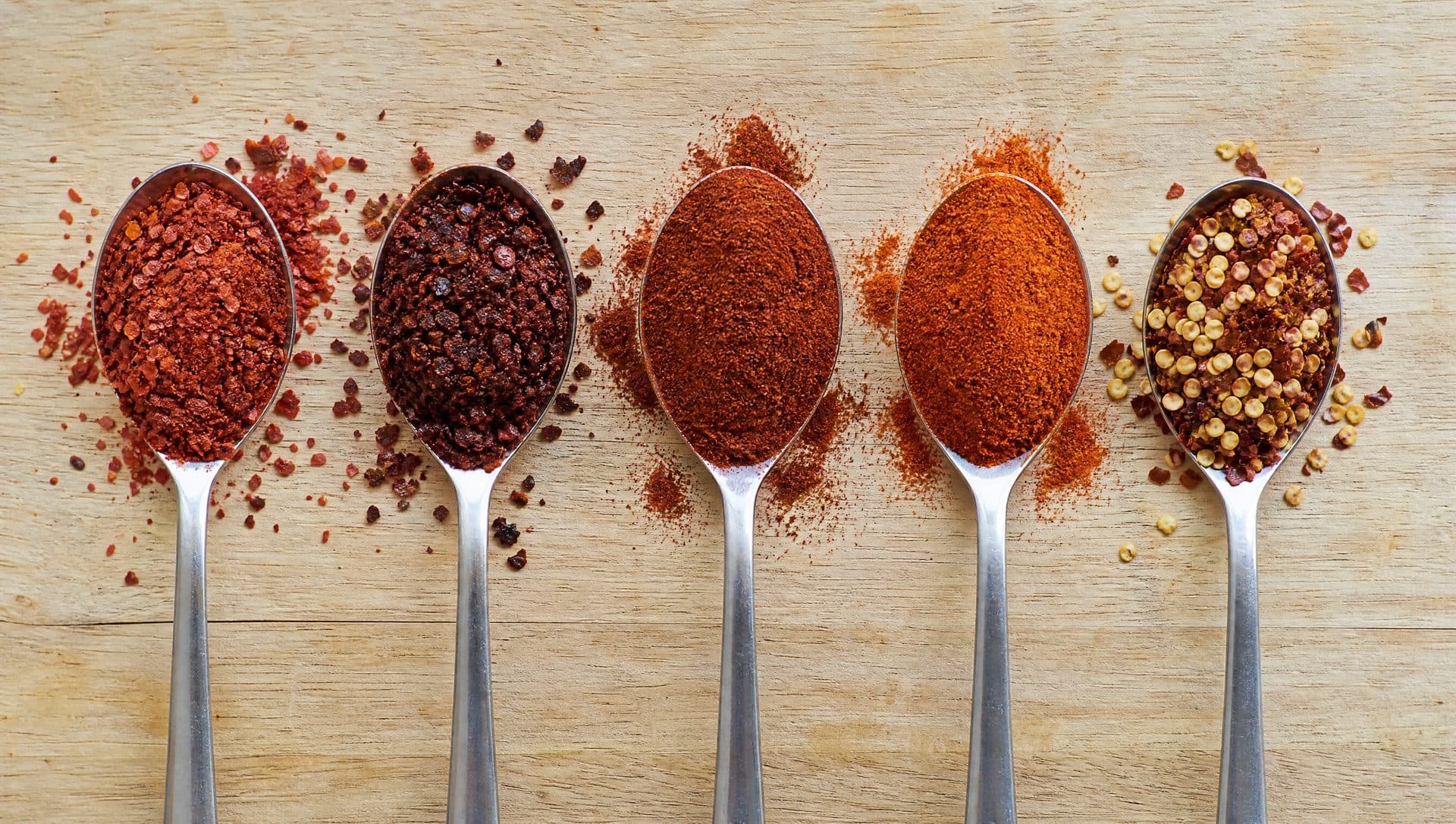
| Substitute | Heat, Scoville units | What it gets right | What goes wrong |
|---|---|---|---|
| Aleppo pepper flakes | About 10,000 | Coarse, seedless, fruity, slightly oily | As hot as a bag marked hot. Salt is often used in drying it |
| Sweet paprika plus cayenne | 100 to 500, and 30,000 to 50,000 | Colour, and heat you can set yourself | Both are fine powders, so the brine clouds |
| Kashmiri chilli powder | 1,000 to 2,000 | Strong red, gentle heat | Fine powder. Sits in the mild grade |
| Crushed red pepper flakes | Varies by blend | It is a flake | Full of seeds, hotter, and it colours the jar poorly |
| Cayenne alone | 30,000 to 50,000 | Heat | At kimchi quantities, far too hot |
| American chili powder | Low | Nothing | It is a blend with cumin, garlic and oregano |
Aleppo pepper is the nearest in kind: a de-seeded, semi-dried flake with fruit in it. Use it measure for measure, expect a hotter jar, and taste the seasoning paste before adding all the salt or fish sauce the recipe asks for.
Paprika and cayenne is the one you can buy anywhere. The ratio usually passed around is three parts paprika to one of cayenne. At the figures in the table that works out to roughly 7,500 to 13,000 Scoville units, which is the KS hot grade. One part cayenne to six of paprika comes to about 4,400 to 7,600, close to a medium bag. That is arithmetic and not a taste test. It sets the heat, and the flavour will be plainer than gochugaru. Use sweet paprika. Smoked paprika makes the whole jar taste of smoke.
Can you use gochujang instead?
In cooked dishes, yes. In kimchi, no. Gochujang is chilli that has already been fermented with glutinous rice, soybean and salt, and most brands are sweetened. Stirred into a stew it supplies colour and heat well enough, as long as you cut back the salt and sugar elsewhere. In a kimchi paste it brings starch, sweetness and salt the recipe did not plan for.
| Dish | Reach for |
|---|---|
| Cabbage or radish kimchi | Aleppo pepper, or paprika and cayenne at six to one |
| Stews and soups | Paprika and cayenne, or a spoonful of gochujang |
| Quick cucumber or spring onion salads | Aleppo pepper, where the flake is visible |
| A pinch to finish a dish | Aleppo pepper, or crushed red pepper sparingly |
If any Korean or pan-Asian grocer is within reach, or you are willing to order once online, buy one pound of coarse gochugaru in a medium heat and put it straight in the freezer. That is five batches of kimchi. Keep the substitutes for the week you run out.
Frequently asked questions
Is gochugaru the same as chili powder?
No. American chili powder is a seasoning blend of ground chillies with cumin, garlic and oregano, made for chili con carne. Gochugaru is one ingredient, dried Korean red chilli, with nothing added.
Is gochugaru the same as crushed red pepper flakes?
No. Crushed red pepper is made from hotter chillies and includes the seeds. Gochugaru for kimchi is a mostly seedless flake that is milder and much redder, and it is used by the handful where crushed red pepper is used by the pinch.
Can I use paprika instead of gochugaru in kimchi?
For colour, yes. Sweet paprika has almost no heat, so the kimchi will be red and bland unless you add cayenne, about one part to six of paprika. It is also a fine powder, which clouds the brine the way fine gochugaru does.
Is gochugaru very spicy?
Not by chilli standards. Korea's national standard grades it from under 150 to over 1,000 mg/kg of capsaicinoids, and a medium bag works out at around 4,500 to 7,500 Scoville units. Cayenne is several times hotter.